

50/30/20 Budget Calculator: Needs, Wants, and Savings Made Simple
Use a 50 30 20 budget calculator to split take-home pay into needs, wants, and savings—and track it with Atlantic Finance on iPhone and iPad.
The 50 30 20 budget calculator is a shorthand, not a religion: roughly half of take-home pay for needs, thirty percent for wants, twenty percent for savings and extra debt payoff. It helps when you want guardrails without building fifty spreadsheet tabs.
This article is for general education only and is not financial, tax, or legal advice.
The problem
All-or-nothing budgeting fails when life does not fit neat boxes. People either ignore budgets entirely or drown in category minutiae. You need a middle path: big buckets you can track weekly, with room to adjust when rent is brutal or childcare is non-negotiable.
Why percentages feel abstract
- Gross pay confusion—targets look roomy until taxes land
- Miscategorized spending—groceries as needs, delivery as wants; both hide in “food”
- Debt ambiguity—minimums are needs; extra payments are savings/debt payoff
- No feedback loop—you calculate once in January and never look again
A 50 30 20 budget calculator should turn take-home pay into three numbers you can compare to actual spending—not a poster on the wall.
A simple 50/30/20 workflow
Step 1: Start with monthly take-home pay
Example: $4,800 net per month (illustrative only).
| Bucket | % | Target |
|---|---|---|
| Needs | 50% | $2,400 |
| Wants | 30% | $1,440 |
| Savings & extra debt | 20% | $960 |
Step 2: Classify your real bills
Needs (examples)
- Rent / mortgage, utilities, insurance
- Groceries (cook-at-home baseline)
- Minimum loan and card payments
- Required commute costs
Wants (examples)
- Dining out and delivery
- Entertainment and hobbies
- Non-essential upgrades and subscriptions you could cut
Savings & debt (20%)
- Emergency fund
- Retirement beyond payroll
- Extra principal on debt
- Sinking funds (car, medical, holidays)
When a line blurs—organic groceries vs delivery treats—split mentally or use two subcategories under the right bucket.
Step 3: Compare targets to reality
After two weeks, check each bucket’s spent vs target. If Needs are at 58% with half the month left, Wants must shrink—not because you failed, but because the map said so.
Step 4: Adjust the rule to your life
High-cost housing? Try 55/25/20 until income rises. Aggressive debt payoff? Try 50/20/30 with savings/debt at thirty percent. The rule is a starting conversation, not a grade.
Tracking in Atlantic
In Atlantic Finance:
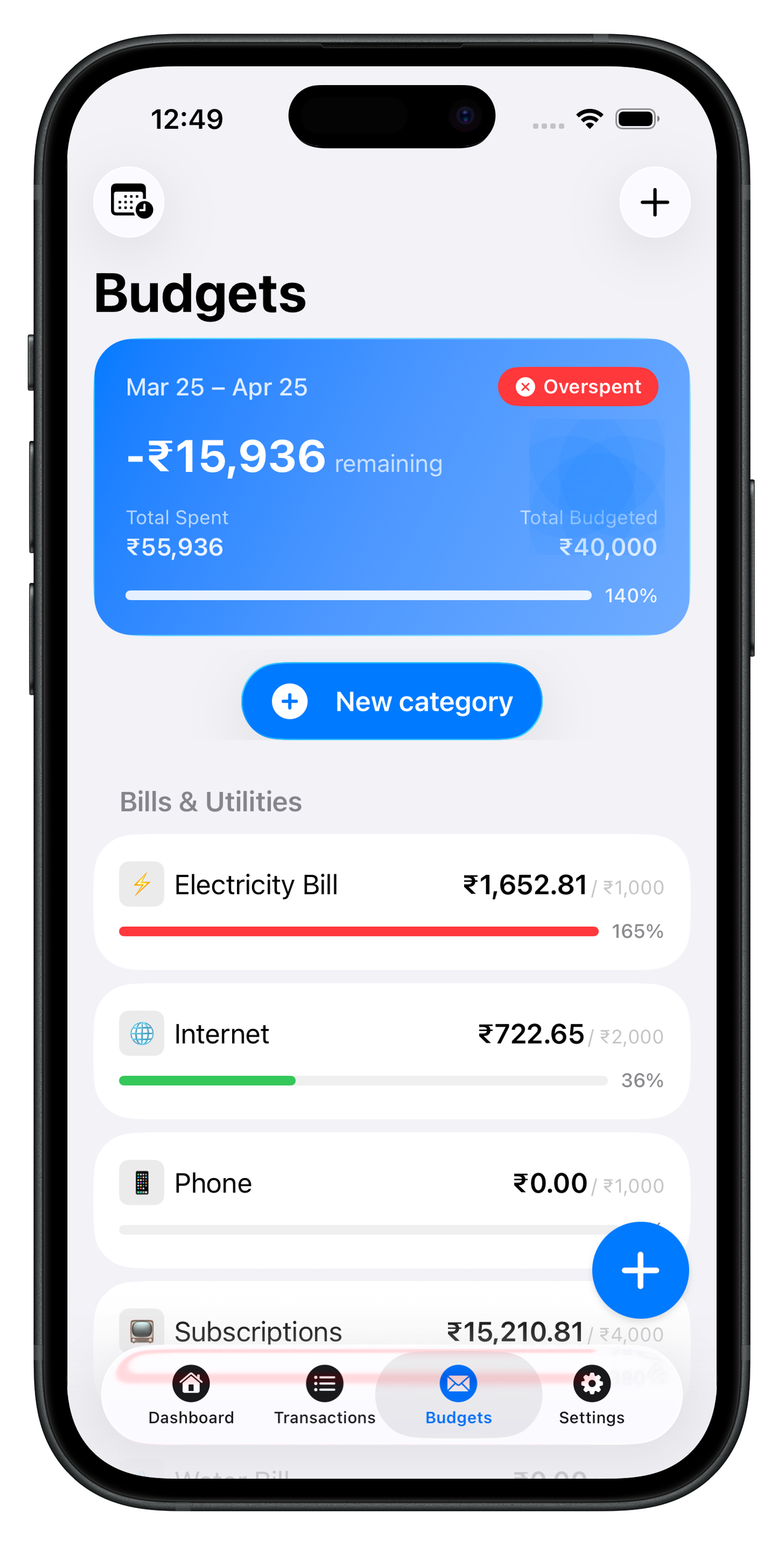
- Create budget categories grouped as Needs, Wants, Savings
- Log transactions in those categories daily
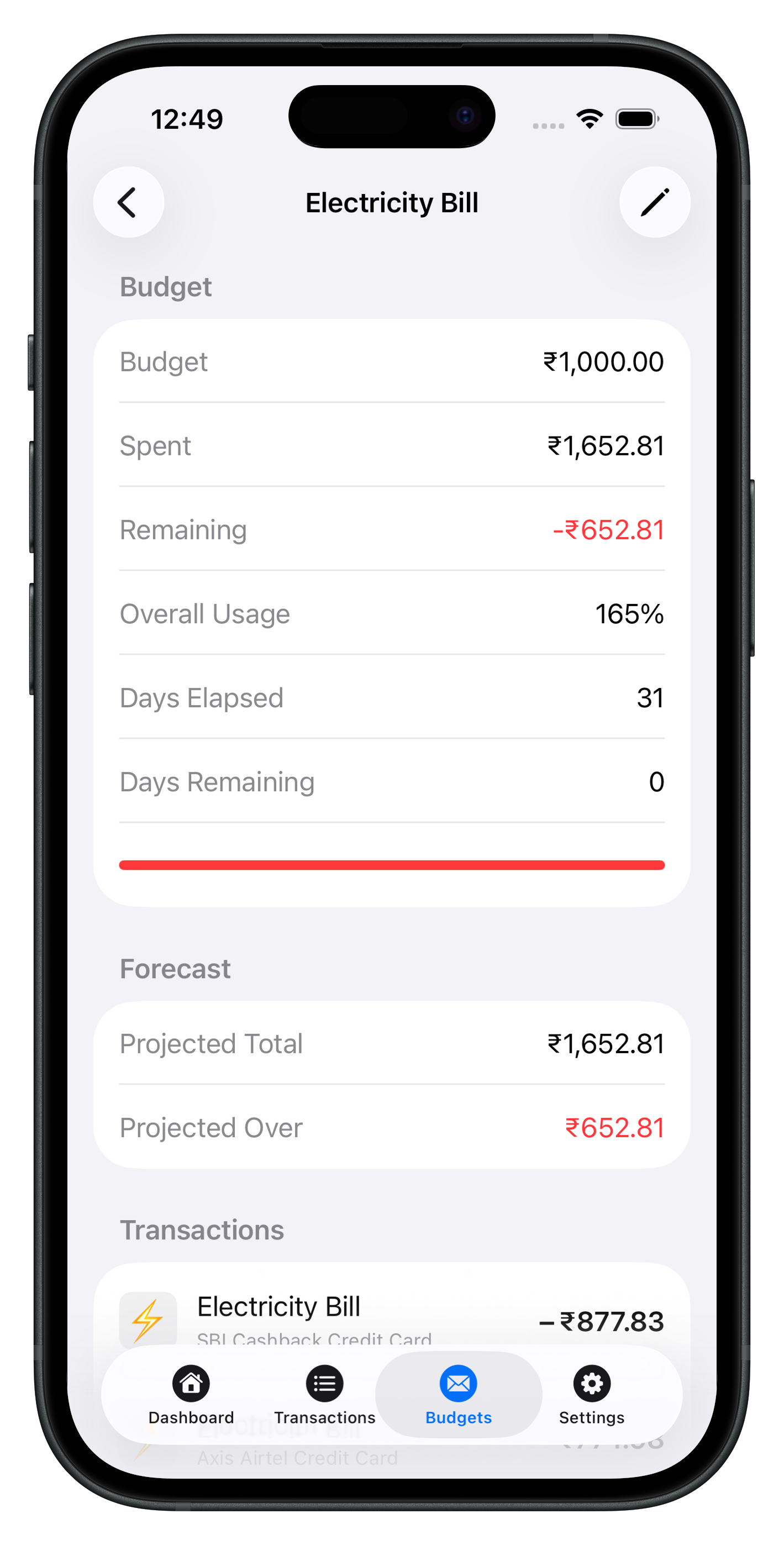
- Use budget views to see remaining room in each bucket
Local-first on iPhone and iPad keeps the math at your fingertips offline. Optional sync aligns devices—read Sync & privacy.
Calculator habits that stick
- Recalculate when income changes—not every week
- Pair with a weekly five-minute review
- Move windfalls (bonus, tax refund) to the 20% bucket first
More money habits are on the blog. Atlantic Pro adds power-user tools; Support helps with categories.
See Atlantic on iPhone & iPad
Local-first speed, clear categories, and budgets that update as you log—no cluttered dashboards.
Download Atlantic Finance
Track your expenses, budgets, bills, and savings in one simple app.
Free to start on iPhone and iPad. Optional sync when you use more than one device.


FAQ
What is the 50/30/20 rule?
A simple split of after-tax income: about 50% for needs, 30% for wants, and 20% for savings and debt payoff beyond minimums. It is a starting framework, not a law.
What counts as a need vs a want?
Needs are essentials: housing, utilities, groceries, insurance, minimum debt payments, and required transport. Wants are discretionary: dining out, hobbies, premium streaming, and upgrades you could pause.
What if my needs are over 50%?
Common in high-cost cities. Adjust to 60/25/15 or similar while you cut costs or raise income. The value is naming tradeoffs, not forcing perfect percentages.
Do I calculate 50/30/20 on gross or net pay?
After-tax take-home pay. Money already diverted to taxes or payroll retirement should not be double-counted as spendable.
How do I track 50/30/20 in an app?
Group budget categories into Needs, Wants, and Savings buckets in Atlantic. Log spending in those categories and compare month-to-date totals to your targets.